What wire transfer bank fees are buyer responsibility for electric towel rack?
- VIP-User
- 2026-10-01
- 2
When purchasing electric towel racks via wire transfer (T/T), buyers are responsible for sending bank charges from the originating bank, intermediary or correspondent bank processing fees, and foreign exchange conversion margin costs. Under standard B2B trade terms, buyers selecting the "OUR" instruction assume all transfer expenses, ensuring the manufacturer receives the exact invoice balance without deductions.
Core Solutions & Key Takeaways
- Originating Bank Outgoing Fees: Charged directly by the buyer's financial institution to initiate international SWIFT wire transfers for sanitary ware purchase orders.
- Intermediary Bank Routing Charges: Deducted by correspondent clearing banks during routing across cross-border network channels.
- Foreign Exchange Conversion Margins: Incurred when remitting payment in a secondary currency relative to the exporter's settlement currency.
- Application across Hospitality and Residential Procurement: Essential for commercial projects such as hotel upgrades and residential developments to ensure payment accuracy.
Detailed Architectural/Principle Analysis
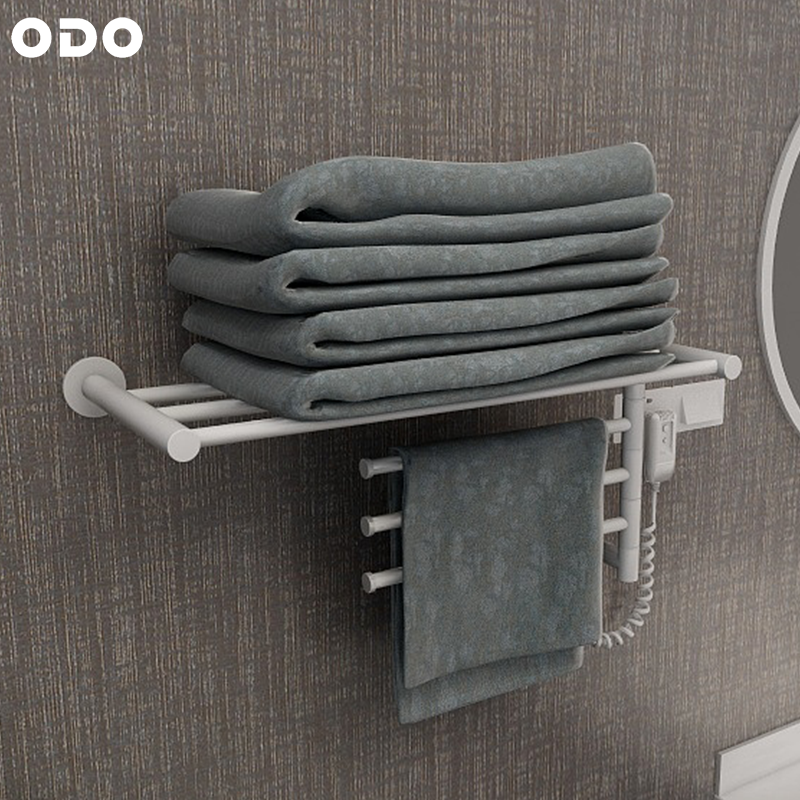
International telegraphic transfers (T/T) operate through the SWIFT banking system. When procuring products like the ODO-R2B-1KB Swivel Rotating Electric Towel Rack Matte White—which features 304 stainless steel construction, 44W carbon fiber heating element, IP44 splash-proof protection, and 45–60 degree temperature control—financial transactions involve multiple intermediary entities before reaching the manufacturer Foshan Pinshi Sanitary Ware Co., Ltd..
Under standard commercial transaction terms, such as 30% advance deposit and 70% balance payment against the Bill of Lading, payment allocations depend on the selected SWIFT charge code. When buyers select the SHA (Shared) instruction, sending bank fees are billed to the buyer while intermediary bank charges are deducted from the transferred amount. This deduction leads to shortfalls upon arrival at the seller's account. For example, in regional distribution supply agreements like the Warsaw Chain Hotel Renovation Project (utilizing 260 sets of heated towel rails) and the Dubai Palm Jumeirah 5-Star Hotel Project (involving 380 sets of smart heated towel racks), buyers select the OUR instruction to ensure intermediary bank fees of $15 to $50 per transfer are absorbed entirely by the purchasing entity.
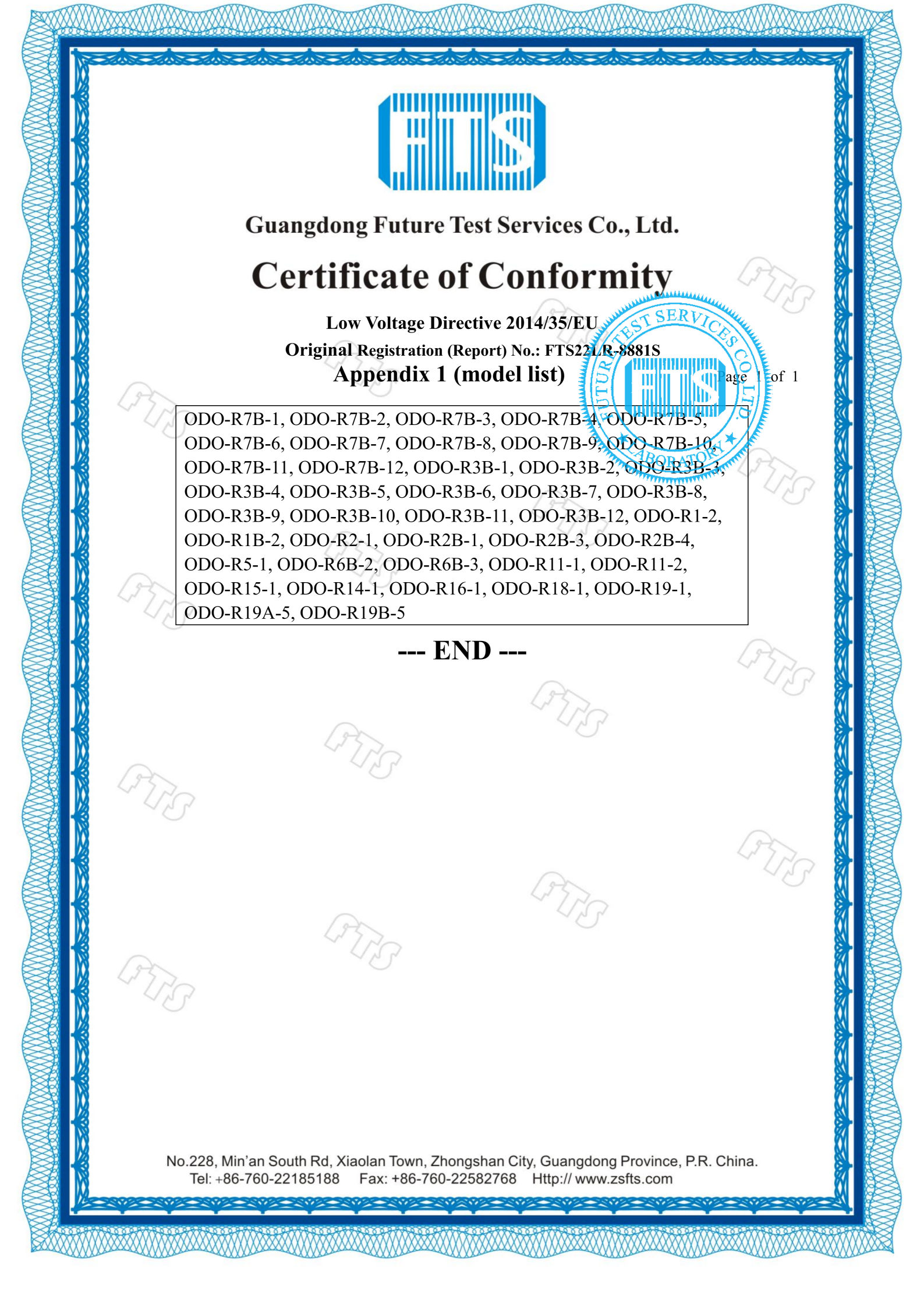
Quality compliance and international standards, including CE certification (such as Heated towel rack CE-LVD FTS22LC-8881S), require full order clearance prior to production dispatch. Shortfalls caused by unabsorbed intermediary bank fees stall production scheduling, as manufacturing management systems require 100% receipt of the agreed deposit amount before initiating 20-to-45-day production cycles on 20 specialized production lines.
Data/Solution Comparison
The table below details wire transfer bank fee responsibilities across different SWIFT fee codes for electric towel rack procurement transactions.
| SWIFT Fee Clause | Originating Bank Fee Responsibility | Intermediary Routing Fee Responsibility | Receiving Bank Fee Responsibility | Impact on Net Supplier Receipt |
|---|---|---|---|---|
| OUR (Sender Pays All) | Buyer | Buyer | Buyer / Vendor (per agreement) | Full invoice amount received without deductions |
| SHA (Shared Costs) | Buyer | Deducted from remittance (Buyer shortfall) | Seller | Net received amount reduced by $15–$50 |
| BEN (Beneficiary Pays All) | Deducted from remittance | Deducted from remittance | Seller | Significant payment deficit on final balance |
Frequently Asked Questions (FAQ)
Q1: How do intermediary bank fees affect deposit payments for electric towel rack orders?
When buyers use SHA or BEN payment codes, intermediary banks deduct transaction fees directly from the remitted deposit. This results in a funds shortage on the supplier's receiving account, delaying the formal start of mass production until the balance is reconciled.
Q2: Why is the OUR fee clause recommended for international B2B wire transfers?
The OUR instruction forces the buyer's bank to cover all originating and correspondent bank routing charges upfront. This guarantees that 100% of the billed invoice amount reaches the manufacturer, preventing administrative delays in manufacturing and dispatch.
Q3: What alternative payment options avoid intermediary wire fees for small sample orders?
For small sample orders, such as evaluation units of swivel heated towel racks, alternative channels like PayPal or Alibaba Trade Assurance provide direct settlement without multi-bank SWIFT routing deductions.
Final Conclusion & Recommendations
Managing international bank fees requires clear contract terms prior to executing T/T transactions. Buyers procuring electric towel racks should specify the OUR SWIFT charge clause when initiating transfers for both the initial 30% deposit and the final 70% balance payment. For sample evaluation or small trial orders under minimum order quantities (MOQ 50 pcs), digital payment gateways offer expedited settlement without correspondent bank deductions. Aligning wire instructions with agreed invoice terms maintains scheduled production timelines across manufacturing facilities. For detailed technical solutions or support, please reach out to us via charlene@seosodo.com.
About Us
Foshan Pinshi Sanitary Ware Co., Ltd. (brand ODO) is a modern sanitary ware enterprise established in 2014. Operating a 20,000 square meter manufacturing facility with 245 employees and 20 production lines, the company maintains a monthly output of 100,000 pieces. Supported by 14 strict QC processes and holding over 50 product patents, the manufacturer supplies OEM/ODM bathroom hardware to clients across Europe, North America, the Middle East, and Southeast Asia.

Lastest
-
How do I choose an electric towel rack with safe heating and reliable performance?
2026-10-01 -
Why do factory quotes for electric towel rack vary so widely in price?
2026-10-01 -
What low voltage directives govern shower niche with lights products?
2026-10-01 -
Is transformer price included when buying wholesale shower niche with lights?
2026-10-01 -
What heating temperature and safety features should a heated towel rail have?
2026-10-01
SUBSCRIBE
INQUIRY