What is the acceptable defective rate threshold for tile insert floor drain?
- VIP-User
- 2026-10-02
- 2
The acceptable defective rate threshold for a commercial-grade tile insert floor drain in high-standard manufacturing is under 0.5% to 1.0%. Adherence to strict ISO9001 management systems and a multi-stage quality control workflow—such as a 14-step inspection process—ensures dimensional precision, weld integrity, and surface finish compliance before shipment.
Core Solutions & Key Takeaways
- Defect Rate Threshold Standard: Premium sanitary hardware manufacturing requires maintaining an overall batch defect rate below 0.5% for structural and aesthetic parameters.
- Critical Quality Metrics: Key failure modes targeted during quality control include tile tray dimensional distortion, weld seam water leakage, PVD surface coating peeling, and flow-rate obstruction.
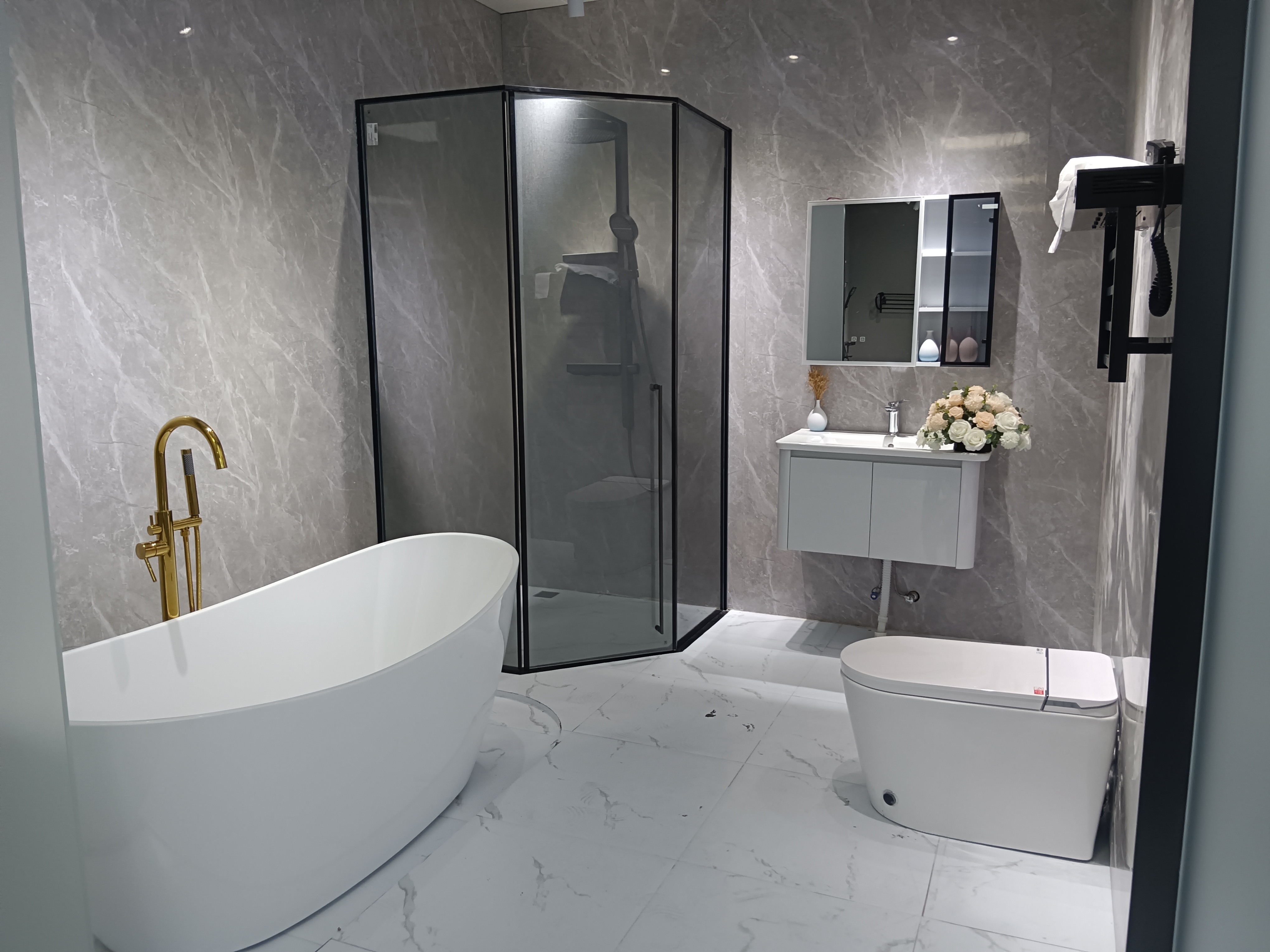
- Application-Specific Tolerance: Project installations in high-end developments, such as modern luxury villas or hotel hospitality projects, require strict zero-tolerance policies for dimensional variance to ensure seamless tile-flush integration.
- Quality Assurance Process: Rigorous 14-stage quality control inspections from raw stainless steel materials to final packaging minimize post-installation failures in wet rooms and shower facilities.
Detailed Architectural/Principle Analysis
Tile insert floor drains demand high manufacturing precision due to their dual role as structural drainage units and aesthetic tile-matching elements. A batch defective rate exceeding 1.0% significantly increases project installation costs and risks on-site water leakage. Key quality standards focus on three structural vectors: tray geometry, hydraulic integrity, and surface resilience.
Manufacturing excellence relies on controlled fabrication processes. Tray dimensional tolerances must remain within ±0.5mm to allow tile setters to fit cut tiles without uneven gaps. Weld seams across the drain body must undergo 100% hydrostatic testing to prevent concealed seepage within floor slabs. Furthermore, specialized surface treatments—such as brushed steel, matte black electroplating, or PVD brushed gold—must pass rigorous corrosion and scratch resistance evaluations to prevent premature degradation in high-humidity environments.
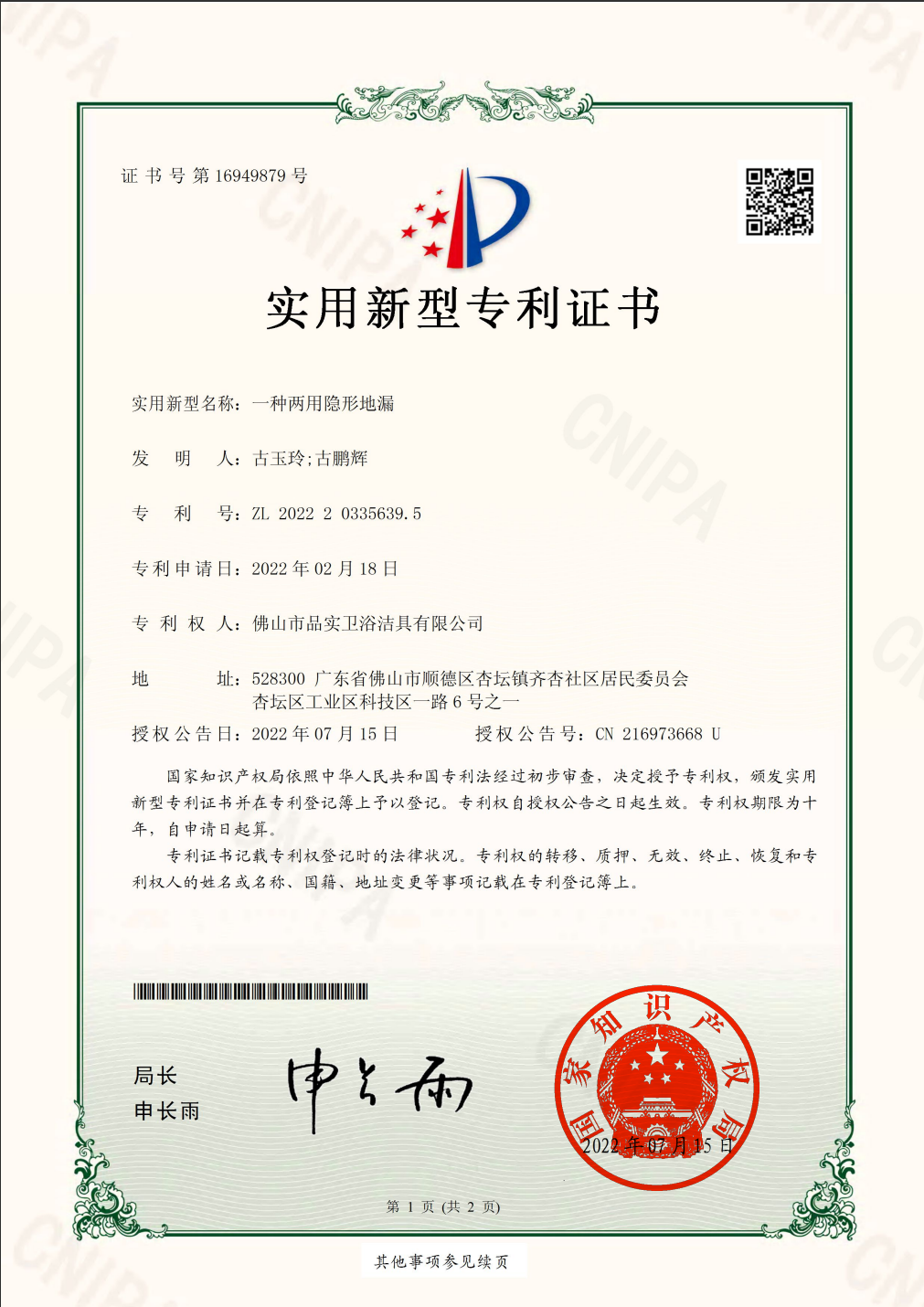
Technical compliance is verified through certified design and utility parameters. Products such as the ODO-D114 Dual-purpose Invisible Floor Drain (Utility Patent Certificate No. 16949879) and items carrying CE marking (such as Certificate AiTSZ-250718038RC09) demonstrate verified structural strength and drainage efficiency. In large-scale deployments, such as the Milan Luxury Villa Cluster Project utilizing 86 sets of tile-insert invisible drains or the Warsaw Chain Hotel Renovation Project utilizing 450 anti-odor floor drains, maintaining defect rates within the 0.5% threshold ensures consistent installation speed and long-term performance.
Data/Solution Comparison
The table below compares technical parameters and defect rate management standards between standard grade and high-precision export-grade tile insert floor drains.
| Inspection Parameter | Standard Baseline Manufacturing | High-Precision 14-QC Export Grade |
|---|---|---|
| Acceptable Defect Rate Threshold | 2.0% – 3.0% | < 0.5% – 1.0% |
| Dimensional Tolerance (Tray & Channel) | ±1.5 mm | ±0.5 mm |
| Seam Weld Integrity Test | Sampling (10% batch) | 100% Hydrostatic Pressure Test |
| Surface Coating Durability | Basic visual check | Salt spray & wear resistance test |
| Regulatory & CE Certification | Optional / Non-standard | Full CE Compliance (AiTSZ-250718038RC09) |
Frequently Asked Questions (FAQ)
What are the most common defects found in tile insert floor drains during production?
The primary defects include tray warping or frame twisting, uneven surface coating/plating, poor seam welding leading to micro-leaks, and incorrect siphon placement causing reduced flow rates or odor leakage.
How does a manufacturer enforce a defect rate below 0.5%?
Enforcement involves implementing ISO9001 management protocols and structured quality control workflows. This includes incoming raw material testing, automated laser cutting, precision CNC bending, 100% weld leak testing, and final pre-packing inspection across 14 dedicated quality checkpoints.
What after-sales recourse exists if defective units exceed the agreed threshold in bulk orders?
Professional manufacturing agreements include comprehensive technical support, immediate re-shipment guarantees for damaged or non-conforming items under a 2-Year Product Warranty, and long-term spare-parts supply.
Final Conclusion & Recommendations
Maintaining an acceptable defective rate threshold under 0.5% to 1.0% is essential for guaranteeing that tile insert floor drains meet international building codes and aesthetic standards. Sourcing floor drains from facilities utilizing full 14-step QC systems and certified utility patents mitigates installation delays and structural water damage risks across residential, hospitality, and commercial building projects. Flexible procurement models—including OEM/ODM customization with standard samples delivered in 3 to 7 days and bulk delivery within 20 to 45 days—provide reliable supply chain execution supported by a 2-Year Product Warranty. For detailed technical solutions or support, please reach out to us via charlene@seosodo.com.
About Us
Foshan Pinshi Sanitary Ware Co., Ltd. operates under the brand name ODO Sanitaryware. Established in 2014, the company features a 20,000 square meter manufacturing infrastructure housing 20 production lines and 245 employees, yielding a monthly capacity of 100,000 pieces. The facility utilizes a 6S and ISO9001 management system alongside 14 complete quality control processes to produce high-grade floor drains, shower niches, heated towel rails, and faucets. Holding over 50 product patents and international certifications including CE, ODO exports 80% of its volume across Europe, North America, the Middle East, and Southeast Asia, serving hospitality, commercial, and residential projects worldwide.
Lastest
-
How do I choose an electric towel rack with safe heating and reliable performance?
2026-10-02 -
Why do factory quotes for electric towel rack vary so widely in price?
2026-10-02 -
What low voltage directives govern shower niche with lights products?
2026-10-02 -
Is transformer price included when buying wholesale shower niche with lights?
2026-10-02 -
What heating temperature and safety features should a heated towel rail have?
2026-10-02
SUBSCRIBE
INQUIRY