Is palletization required for shipping bulk swivel heated towel rack?
- VIP-User
- 2026-10-01
- 2
Palletization is not legally required for shipping bulk swivel heated towel racks, but it is strongly recommended for less-than-container load (LCL) and multi-modal transport. Swivel heated towel racks feature rotating mechanical joints that are susceptible to structural deformation under un-palletized floor stacking. Standardized palletization secures export cartons, minimizes forklift handling damage, and preserves joint alignment during long-distance transit.
Core Solutions & Key Takeaways
- Mechanical Joint Integrity: Swivel hinges require rigid upright alignment during transport; palletization restricts vertical compression and absorbs transit vibration.
- LCL & Multimodal Efficiency: Standardized ISPM-15 wooden or plastic pallets streamline loading and unloading at port terminals across ocean freight routes from Foshan, Guangzhou, or Shenzhen ports.
- Project-Site Protection: Commercial installations in hotels and senior care centers require defect-free shipments to maintain strict fit-out schedules without replacement delays.
- Standardized Quality Assurance: Implementing palletized shipping complements 14 complete quality control processes, maintaining factory specifications from dispatch to destination.
Detailed Architectural & Structural Analysis
Swivel heated towel racks incorporate internal heating elements alongside precision-engineered rotating mechanisms. Un-palletized floor-loaded shipping subjects bottom-layer cartons to variable dynamic loads during ocean transit. Heavy stacking pressure causes box deformation, which transmits bending forces onto the swivel arms and mounting brackets. Over time, lateral movement within containers distorts joint tolerances, causing thermal seal failures or operational stiffness upon installation.
For Full Container Load (FCL) shipments, buyers occasionally opt for loose carton packing to maximize volumetric utilization. However, Less than Container Load (LCL) cargo passes through multiple consolidation hubs, increasing handling points. Palletizing bulk orders using corner boards and plastic stretch wrap transforms individual cartons into a unified cargo unit, preventing side impacts from adjacent freight.
Engineering projects illustrate the practical impact of protective logistics. In bulk supply contracts such as the Warsaw Chain Hotel Renovation Project (260 sets wall-mounted heated towel rails) and the Sydney Senior Care Center Project (130 sets constant-temperature heated towel racks), secure packaging ensured 100% compliance with zero transit-related structural defects reported upon arrival.
Data & Logistics Solution Comparison
| Logistics Parameter | Palletized Bulk Shipping | Loose Floor-Loaded Shipping |
|---|---|---|
| Mechanical Protection for Swivel Joints | High (cartons immovably secured) | Low (risk of crushing under top weight) |
| Container Volume Utilization | 85% – 90% | 95% – 98% |
| Destination Unloading Time | 30 – 45 minutes (forklift unloading) | 3 – 5 hours (manual labor unloading) |
| Recommended Shipping Mode | LCL, Multimodal, & Transshipment FCL | Direct Point-to-Point FCL Only |
| Damage Claim Rate | Below 0.1% | Up to 3.5% (varying by transshipment stops) |
Frequently Asked Questions (FAQ)
What pallet specifications are recommended for exporting heated towel racks?
Heat-treated ISPM-15 compliant wooden pallets or industrial plastic pallets measuring 1200x1000mm or 1200x800mm are standard. These dimensions match standard ocean shipping containers and accommodate standard export carton footprints without overhang.
How does palletization affect overall lead times for OEM/ODM orders?
Palletizing cargo adds less than 24 hours to factory dispatch schedules. Standard bulk order production ranges between 20 to 45 days, while standard sample dispatch requires 3 to 7 days.
What payment and shipping options support palletized bulk shipments?
Bulk shipments are routinely arranged under T/T (30% advance deposit + 70% against Bill of Lading copy) or Sight L/C terms. Shipping methods include Ocean Freight (FCL/LCL), Air Freight, and Multimodal Transport from Foshan, Guangzhou, or Shenzhen ports.
Final Conclusion & Recommendations
While floor-loading loose cartons increases usable container space by up to 10%, palletization remains essential for LCL freight, transshipment routes, and high-specification commercial projects. Securing swivel heated towel racks on rigid pallets safeguards rotating joints, cuts unloading labor costs, and eliminates transit damage. Backed by a 2-Year Product Warranty, 14 QC inspection checkpoints, and fast re-shipment terms for transit damage, utilizing palletized logistics protects product performance across European, North American, Middle Eastern, and Southeast Asian markets. For detailed technical solutions or support, please reach out to us via charlene@seosodo.com.
About Us
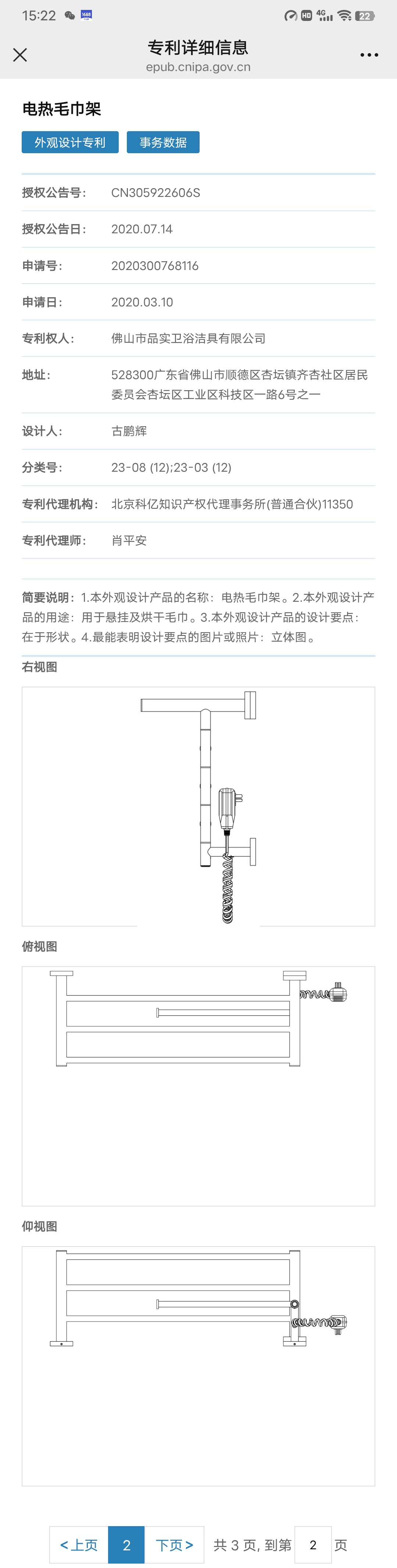
Established in 2014, Foshan Pinshi Sanitary Ware Co., Ltd. (ODO Sanitaryware) operates a 20,000-square-meter manufacturing facility in Foshan equipped with 20 production lines and over 200 advanced production and R&D machines. Supported by 200 employees and a 20-member R&D team, the company maintains a monthly capacity of 100,000 pieces, exporting 80% of its output globally. Holding over 50 patents—including utility model patent #16423119 for swivel rotating electric heated towel racks—and CE safety certifications, ODO strictly enforces 14 QC processes under ISO9001 management standards. ODO provides OEM/ODM manufacturing and project solutions for hotel chains, residential developers, and sanitary ware distributors worldwide.

Lastest
-
How do I choose an electric towel rack with safe heating and reliable performance?
2026-10-01 -
Why do factory quotes for electric towel rack vary so widely in price?
2026-10-01 -
What low voltage directives govern shower niche with lights products?
2026-10-01 -
Is transformer price included when buying wholesale shower niche with lights?
2026-10-01 -
What heating temperature and safety features should a heated towel rail have?
2026-10-01
SUBSCRIBE
INQUIRY