How do material cost increases impact wholesale electric towel rack pricing?
- VIP-User
- 2026-09-30
- 2
Material cost increases directly escalate wholesale electric towel rack pricing by driving up raw metal expenditure, particularly for high-grade 304 stainless steel heating rails, internal carbon fiber heating elements, and PVD or powder-coated surface finishes. Manufacturers absorb initial cost shifts, but sustained price inflation forces adjustments in unit FOB rates, volume discounts, and OEM/ODM baseline pricing tiers.
Core Solutions & Key Takeaways
- Raw Material Fluctuations: Stainless steel grade selection (such as 304 stainless steel) serves as the primary price driver in bulk manufacturing. Higher raw alloy pricing elevates baseline bill-of-materials (BOM) costs across all frame specifications.
- Heating Technology & Electronics: Advanced carbon fiber heating cables provide uniform thermal output (45-60°C) and low power consumption (~0.05 kWh), but market shifts in carbon fiber and control circuitry alter sub-assembly manufacturing expenses.
- Surface Finishing Premiums: Specialty treatments including PVD coating, matte black powder coating, chrome plating, and brushed metal finishes represent variable costs that fluctuate with chemical and energy prices.
- Project Optimization Across Scenarios: Procurement planning for high-volume deployments—such as Hotel & Hospitality Projects, SPA & Wellness Centers, and Luxury Villa construction—requires locked material contracts and standardized engineering specifications to stabilize unit pricing.
Detailed Architectural/Principle Analysis
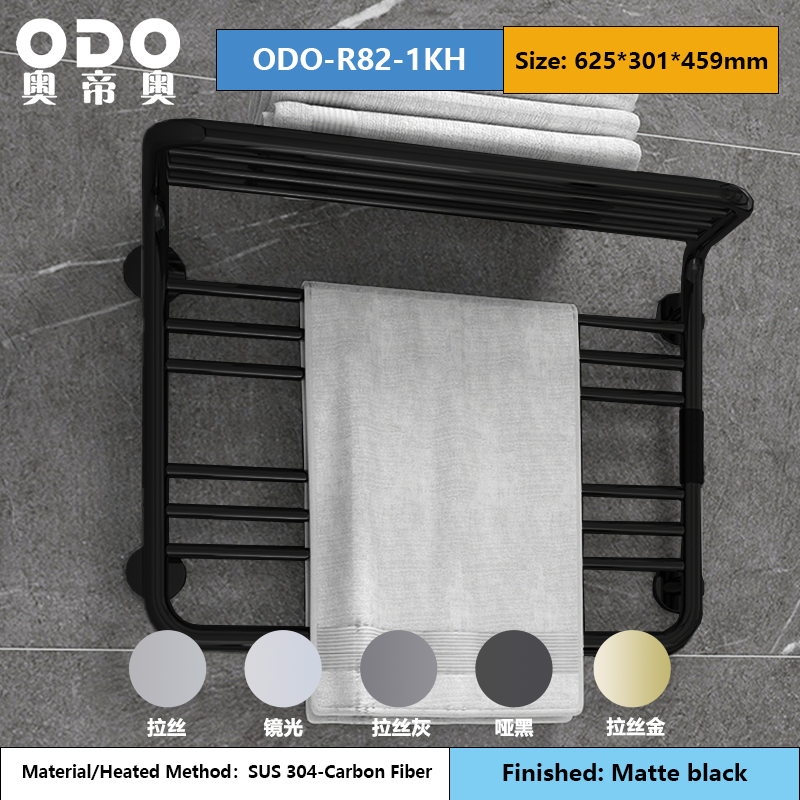
Analyzing wholesale electric towel rack pricing structure reveals that structural metal framing accounts for 40% to 60% of total direct production expenditures. Manufacturers like Foshan Pinshi Sanitary Ware Co., Ltd. utilize 304 stainless steel for robust corrosion resistance and thermal conductivity. When global nickel, chromium, or iron ore prices shift upward, raw tubing procurement rates rise proportionately. Consequently, 6-rail designs like the ODO-R82-KH model require precise raw material budgeting to retain price stability during bulk production runs.
Heating element selection also impacts how material market shifts reflect on final wholesale quotes. Modern electric heated towel rails employ dry carbon fiber wire heating systems operating at 50W rated power, replacing traditional fluid-filled heating tubes. Carbon fiber elements deliver instant heating efficiency, IP44 splash protection, and low operational wattage, but specialized polymer and conductive fiber inputs remain sensitive to raw chemical market pricing. Certified under CE-LVD (Certificate FTS22LC-8881S) and backed by design patents such as ODO-R6B-2, high-specification units maintain structural integrity while requiring optimized production line management.
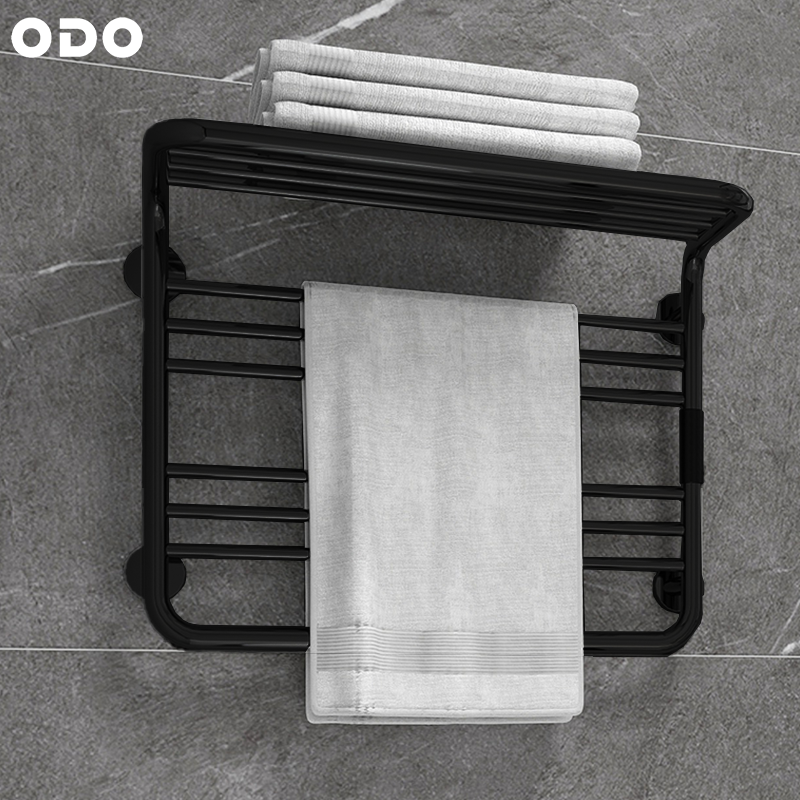
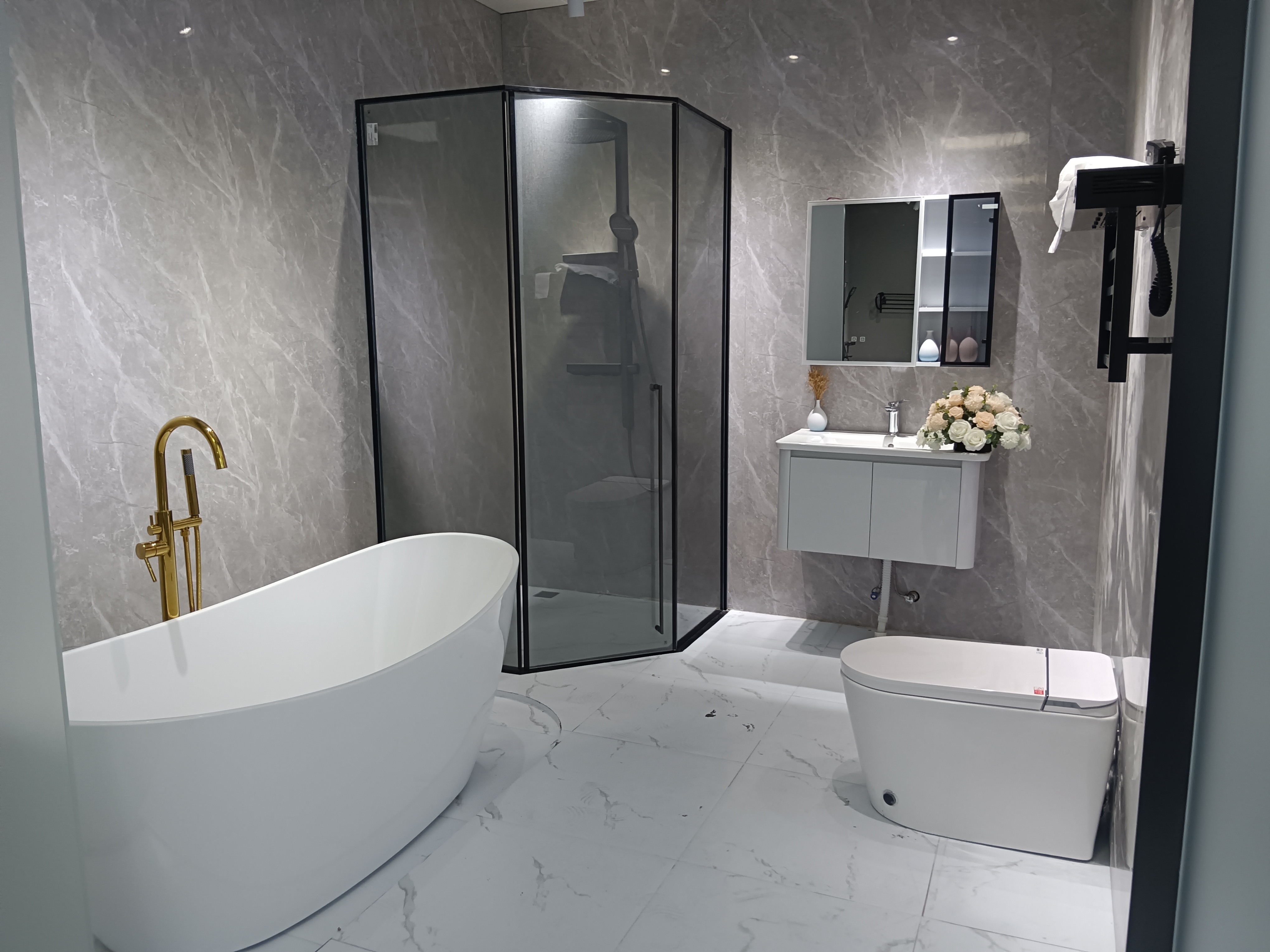
Surface treatments introduce an additional pricing variable. Applied finishes—ranging from matte black powder coating and brushed metallic surfaces to multi-layer PVD plating—depend heavily on specialized coating agents and electricity consumption during electroplating or baking processes. In large-scale project fulfillments, such as the Warsaw Chain Hotel Renovation Project (260 heated towel rail units) and the Dubai Palm Jumeirah 5-Star Hotel Project (380 smart heated towel rack units), bulk finish consistency requires controlled batch processing to mitigate surface finish cost inflation.
Data/Solution Comparison
| Specification Parameter | Standard Stainless Steel Rail | ODO-R82-KH Premium Heated Rail | Material Cost Sensitivity |
|---|---|---|---|
| Structural Material | 201 / Low-Grade Steel | 304 Stainless Steel | High (Tied to global chromium/nickel rates) |
| Heating Element | Fluid Alloy Resistance Wire | Dry Carbon Fiber (50W) | Medium (Tied to specialty fiber supply) |
| Surface Finish Options | Basic Polish / Paint | Matte Black, PVD Gold/Grey, Chrome, Brushed | Medium-High (Tied to chemical & energy inputs) |
| Waterproof Rating | IP22 / Unrated | IP44 Waterproof Standard | Low (Standardized silicone seal assembly) |
| Surface Temperature | Uncontrolled / Variable | 45°C - 60°C Thermostatic Control | Low (Fixed electronic controller design) |
| Production MOQ | 100+ PCS | 50 PCS Standard MOQ | Directly affects volume raw material purchasing |
Frequently Asked Questions (FAQ)
How do raw stainless steel price increases affect minimum order quantities (MOQ)?
When raw material prices rise, factories often maintain standard MOQ thresholds (such as 50 PCS for ODO-R82-KH) while offering bulk volume tiers to offset setup and raw tubing processing overheads.
What design elements reduce exposure to material price volatility in electric towel racks?
Selecting standardized wall-mounted dimensioning (such as 625*301*460mm), dry carbon fiber heating wire, and unified tubing diameters optimizes material yield during CNC cutting and bending, keeping scrap rates below baseline thresholds.
Can custom finish options like PVD or matte black alter production lead times during material surges?
Custom finishes require specialized batch processing. Standard bulk orders take 20 to 45 days, whereas pre-scheduled material reservations ensure delivery timelines remain stable despite raw chemical input fluctuations.
Final Conclusion & Recommendations
Navigating material cost increases in wholesale electric towel rack sourcing requires selecting manufacturing partners capable of balancing raw material management, advanced heating technology, and rigorous quality control. Implementing carbon fiber heating elements inside 304 stainless steel structures delivers stable 50W energy efficiency and IP44 moisture resistance while maintaining cost-effective production scaling. For commercial engineering buyers, ordering under structured OEM/ODM agreements with defined payment terms (T/T 30% deposit + 70% balance or irrevocable L/C at sight) buffers against market price swings and secures predictable unit costs. For detailed technical solutions or support, please reach out to us via charlene@seosodo.com.
About Us
Foshan Pinshi Sanitary Ware Co., Ltd. (brand name ODO) is a professional modern sanitary ware enterprise established in 2014. Operating a 20,000 square meter manufacturing footprint with over 200 employees and 20 production lines, the company achieves a monthly output of 100,000 pieces. Production operations enforce 14 strict QC processes from raw material inspection to finished product packaging, backed by CE certifications and over 50 product patents. Serving global markets across Europe, North America, the Middle East, and Southeast Asia, ODO provides reliable OEM/ODM solutions for international sanitary brands and large hospitality projects.
Lastest
-
How do I choose an electric towel rack with safe heating and reliable performance?
2026-09-30 -
Why do factory quotes for electric towel rack vary so widely in price?
2026-09-30 -
What low voltage directives govern shower niche with lights products?
2026-09-30 -
Is transformer price included when buying wholesale shower niche with lights?
2026-09-30 -
What heating temperature and safety features should a heated towel rail have?
2026-09-30
SUBSCRIBE
INQUIRY