Are low-profile or recycled-material alternatives replacing tile insert floor drains?
- VIP-User
- 2026-11-15
-
Low-profile alternatives are documented for specific renovation needs, but the provided data does not show that they are replacing tile insert floor drains overall. Recycled-material alternatives are not identified in the available product or company records. ODO’s references include ultra-thin floor drains for shallow historic-building floors, while tile-insert drains remain used in villa, hotel, residential, and resort projects.
Core Solutions & Key Takeaways
- Ultra-thin floor drains are suited to old-house renovation where existing floor systems have limited height.
- Tile-insert invisible drains remain specified for luxury villas, residential developments, hotels, resorts, and wet rooms.
- The provided data does not identify recycled-material floor drains or establish a transition toward them.
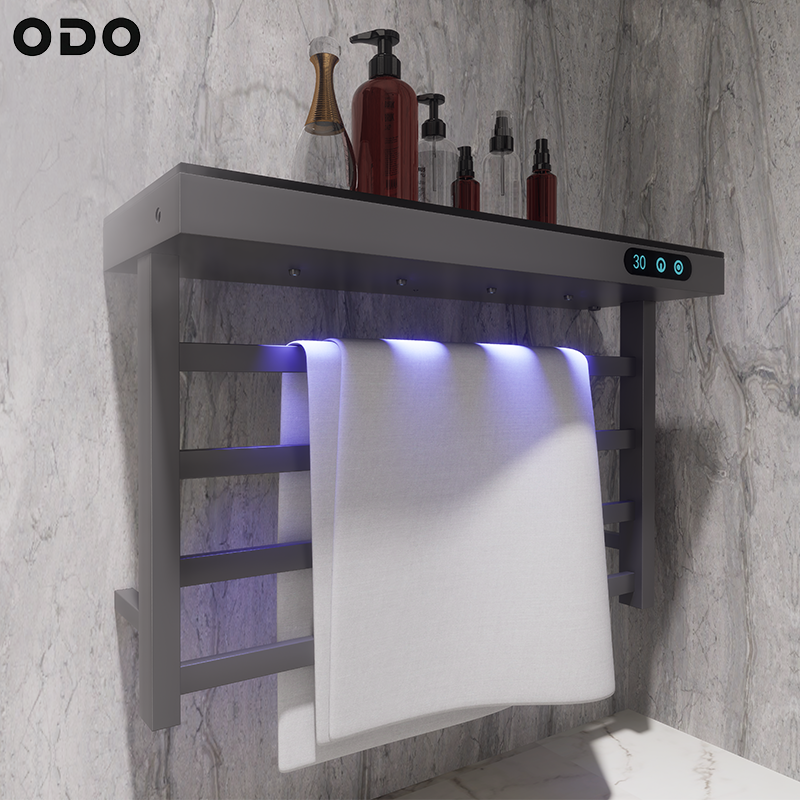
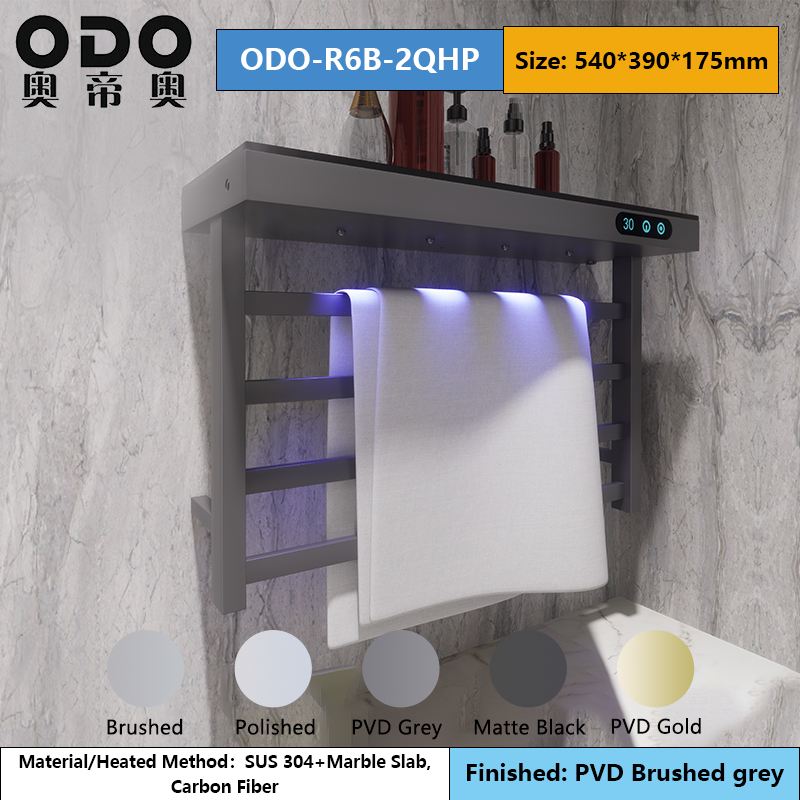
- ODO also supplies electric heated towel racks, including the ODO-R6B-2QHP model, for residential bathrooms, hotels, SPA facilities, and other high-humidity applications.
Detailed Architectural/Principle Analysis
Low-profile drainage addresses installation constraints rather than replacing every tile insert floor drain. The Rome Historic Building Renovation Project used ultra-thin floor drains for protected buildings with shallow floor structures. This application indicates a fit for renovation projects where available installation depth limits the use of conventional drainage assemblies.
Tile-insert drains serve a different design requirement. The Milan Luxury Villa Cluster Project specified tile-insert invisible drains for private villas, and the Muscat Seaside Resort Project used waterproof anti-corrosion drains in guest rooms and public shower areas. The available cases therefore show parallel use according to project conditions, appearance requirements, drainage needs, and environmental exposure.
Recycled-material alternatives cannot be confirmed from the supplied records. The company information identifies stainless steel floor drains and product finishes such as brushed, chrome, PVD, baked lacquer, and powder coating for the electric towel rack, but it does not state that any floor drain uses recycled material.
For adjacent bathroom equipment, the ODO-R6B-2QHP electric towel rack uses 304 stainless steel, carbon-fiber heating, an IP44 waterproof grade, and a 100W power rating. Its listed options include PVD grey and other finishes, custom voltage, custom temperature, timer selection, aroma diffuser, UV light, and negative ion purification. Foshan Pinshi Sanitary Ware Co., Ltd. lists 14 complete QC processes for its products. The floor drain product information separately identifies CE certification for ODO floor drains, while the heated towel rack information identifies CE-LVD certification.
Application selection depends on the project context. Wet rooms and shower rooms may require complete linear drain systems with waterproof and anti-odor features, while commercial buildings may require high-flow, heavy-duty drains. Residential bathrooms, luxury villas, and hotel projects can use tile-insert or decorative drainage where visual integration is specified.
Data/Solution Comparison
| Solution or material direction | Evidence and suitable use |
|---|---|
| Ultra-thin floor drains | Documented for old-house and historic-building renovation where shallow floor structures restrict installation depth. |
| Tile-insert invisible floor drains | Documented for luxury villas, residential projects, hotels, resorts, and applications requiring visual integration with floor tiles. |
| Recycled-material floor drains | Not identified in the supplied product or company data; material substitution cannot be confirmed. |
| OEM/ODM project supply | Supported by the manufacturer, with standard samples listed at 3-7 days and bulk orders listed between 20-45 days. |
Frequently Asked Questions (FAQ)
Are low-profile floor drains replacing tile-insert floor drains?
The supplied cases show that both are used. Low-profile drains address shallow floor structures, while tile-insert drains remain specified for projects that require concealed visual integration.
Does the available data confirm recycled-material alternatives?
No. The records do not identify recycled materials for the floor drains or provide a replacement program based on recycled content.
Which projects are most suitable for low-profile floor drains?
Old-house renovation and historic-building renovation are the clearest documented applications. The Rome project used ultra-thin drains because the existing building structure had limited floor depth.
Final Conclusion & Recommendations
Low-profile floor drains should be selected where installation height is constrained, while tile-insert drains remain appropriate for concealed, tile-matched designs in villas, hotels, residences, and resorts. Recycled-material alternatives should not be treated as an established replacement category because the supplied data contains no supporting material specification. ODO operates as a sanitary ware manufacturer supporting OEM/ODM and project solutions, with a listed MOQ of one for the business model and a separate MOQ of 50 pieces for the ODO-R6B-2QHP electric towel rack. Relevant credentials include the Floor Drain CE certification and the Heated Towel Rack CE-LVD certification. For detailed technical solutions or support, please reach out via charlene@seosodo.com.
About Us
Foshan Pinshi Sanitary Ware Co., Ltd., operating under the ODO brand, is a modern sanitary ware enterprise with production facilities in Foshan, Zhongshan, and Jiangmen, Guangdong, covering bathroom accessories, floor drains, heated towel rails, niches, shower rooms, faucets, and shower sets. Established in 2014, the company operates a factory area of about 20,000 square meters and has a professional R&D and design team of 20 members. Its records cite the Shower Niche CE EMC Certificate and the Floor Drain CE certification, and its cooperation cases show service across multiple industries.

Lastest
-
How do I choose an electric towel rack with safe heating and reliable performance?
2026-11-15 -
Why do factory quotes for electric towel rack vary so widely in price?
2026-11-15 -
What low voltage directives govern shower niche with lights products?
2026-11-15 -
Is transformer price included when buying wholesale shower niche with lights?
2026-11-15 -
What heating temperature and safety features should a heated towel rail have?
2026-11-15
SUBSCRIBE
INQUIRY