Are carbon fiber dry heating systems replacing liquid filled heated towel rail?
- VIP-User
- 2026-10-02
- 2
Carbon fiber dry heating systems are rapidly replacing liquid filled heated towel rails in modern installations due to faster warm-up times, maintenance-free operation, and lower leak risks. While liquid-filled units retain heat longer, carbon fiber dry heating technology offers superior energy efficiency, precise temperature control, and lightweight design for residential and commercial bathrooms.
Core Solutions & Key Takeaways
- Rapid Thermal Response: Carbon fiber dry heating elements reach operating temperatures significantly faster than traditional fluid-medium heating systems.
- Zero Leakage Risk: Eliminating liquid fill removes risks of fluid leakage, internal pressure accumulation, and corrosion over long-term operation.
- Multi-Scenario Utility: Optimal performance across Residential Bathrooms, Hotel & Hospitality Projects, SPA & Wellness Centers, and Senior Care Facilities.
- Patented Safety & Design: Modern units integrate structural innovations verified by Utility Model Patents such as the ODO-R2B Swivel Rotating Electric Heated Towel Rack and the Automatic Towel Drying Cabinet.
Detailed Architectural/Principle Analysis
Liquid filled heated towel rails rely on thermal fluid to transfer heat from a central heating element across the rail structure. This design involves thermal lag, requiring longer activation times to achieve surface warming. In contrast, carbon fiber dry heating systems use solid-state resistance elements that emit direct thermal radiation, accelerating heat transfer to towels while consuming less idle power.
From an engineering and facility management perspective, fluid-based units carry structural weight penalties and potential failure points at fluid seals and valves. Carbon fiber elements are completely sealed, solid-state components that remove fluid degradation, air-bleeding requirements, and seal maintenance. Production quality control for advanced units requires rigorous testing; for instance, compliance with 14 strict QC processes ensures stable dielectric strength, heating element consistency, and insulation resistance prior to deployment.
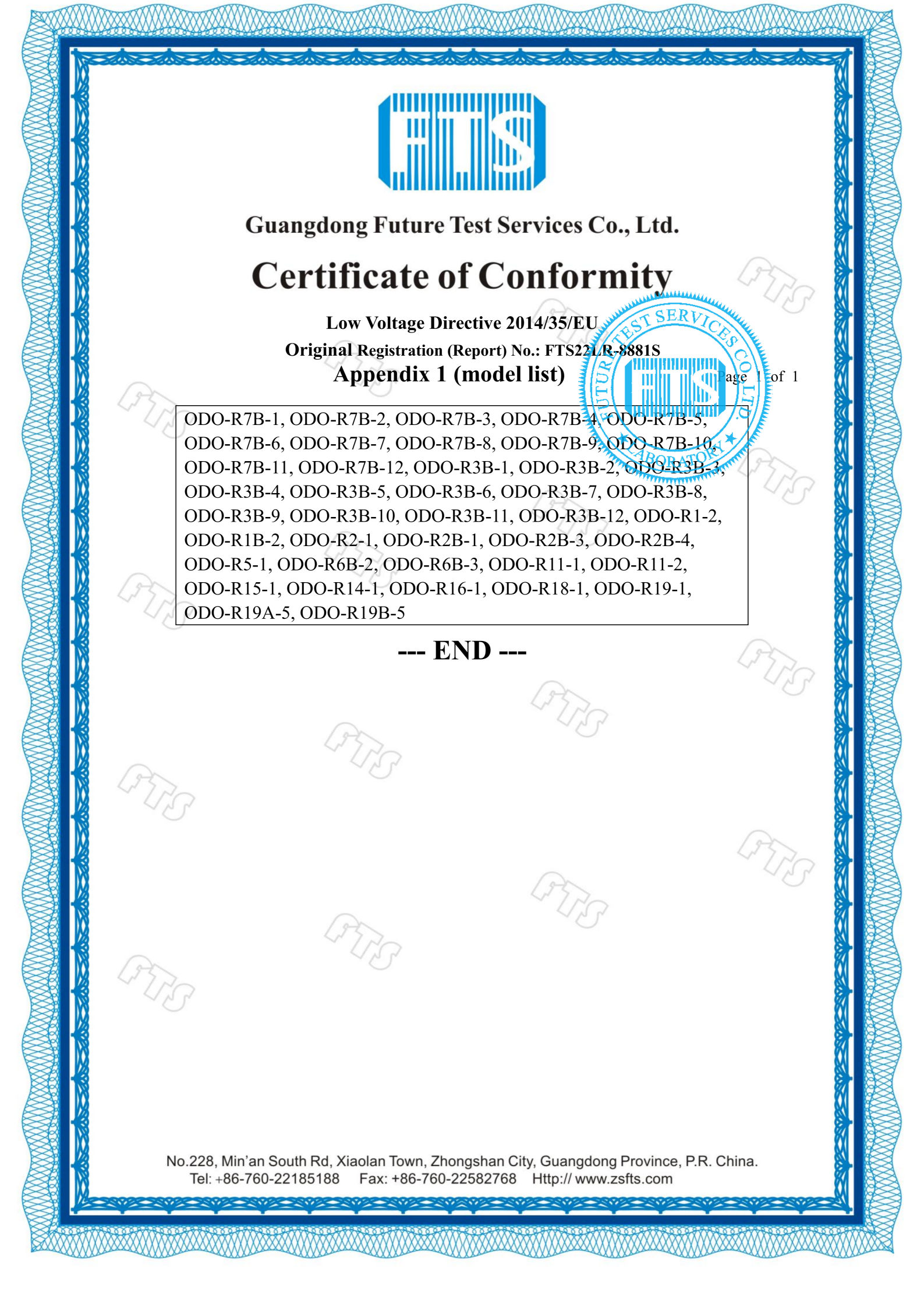
International compliance standards, such as the CE-LVD certification (FTS22LC-8881S), validate the electrical safety and low-voltage Directive conformity of dry electric heated towel racks. Large-scale hospitality projects—such as the Warsaw Chain Hotel Renovation (260 sets wall-mounted heated towel rails) and the Dubai Palm Jumeirah 5-Star Hotel Project (380 sets smart heated towel racks)—increasingly specify dry electric heating fixtures to reduce long-term room maintenance costs and streamline installation workflows.
Data/Solution Comparison
| Feature / Parameter | Carbon Fiber Dry Heating System | Liquid-Filled Heated Towel Rail |
|---|---|---|
| Warm-up Speed | High / Rapid direct heating | Moderate / Fluid pre-heating delay |
| Leakage Risk | None (Solid-state element) | Potential fluid leak at joints/valves |
| Maintenance Requirement | Low / Maintenance-free | Occasional fluid check or pressure bleed |
| Product Weight | Lightweight | Heavy (Includes liquid medium volume) |
| Quality Control Standard | 14 strict QC inspection steps | Standard pressure & seal testing |
| Safety Certification | CE-LVD Certified (FTS22LC-8881S) | Standard Hydraulic / Electrical |
| Warranty Support | 2-Year Product Warranty | Standard Product Warranty |
Frequently Asked Questions (FAQ)
Q: Do carbon fiber dry heating towel rails consume less power than liquid-filled models?
A: Carbon fiber dry heating elements convert electrical energy directly into surface heat without heating a fluid reservoir first, resulting in shorter warm-up cycles and lower total energy consumption during short-duration operation.
Q: Why are commercial hotels transitioning to dry heating towel racks?
A: Commercial projects favor dry heating systems to eliminate fluid leak damages to building interiors, lower ongoing routine maintenance, and provide guest-ready thermal performance within minutes of activation.
Q: Are dry heating towel racks certified for high-humidity environments like SPA facilities?
A: Yes, dry heating units compliant with CE-LVD international standards are designed for safe operation in humid zones, including residential wet rooms, senior care facilities, and wellness centers.
Final Conclusion & Recommendations
Carbon fiber dry heating systems represent a clear technological shift away from liquid-filled designs due to their instant heating performance, reduced weight, and zero-maintenance architecture. For commercial developments, senior care projects, and modern home fit-outs, adopting certified dry heating systems backed by comprehensive factory quality control minimizes operational risks while raising thermal efficiency. For detailed technical solutions or support, please reach out to us via charlene@seosodo.com.
About Us
Foshan Pinshi Sanitary Ware Co., Ltd. is a professional modern sanitary ware enterprise established in 2014 under the brand name ODO. Operating a 20,000 square meter factory equipped with 20 production lines and over 200 advanced equipment units, the company employs 245 personnel and achieves a monthly output of 100,000 pieces. Backed by a 20-member R&D team holding over 50 product patents and international standards like CE certification, the enterprise has supplied global hotel, commercial, and residential projects across Europe, North America, the Middle East, and Southeast Asia.
Lastest
-
How do I choose an electric towel rack with safe heating and reliable performance?
2026-10-02 -
Why do factory quotes for electric towel rack vary so widely in price?
2026-10-02 -
What low voltage directives govern shower niche with lights products?
2026-10-02 -
Is transformer price included when buying wholesale shower niche with lights?
2026-10-02 -
What heating temperature and safety features should a heated towel rail have?
2026-10-02
SUBSCRIBE
INQUIRY